Why Even Smart People Get Fooled
Keynote topic
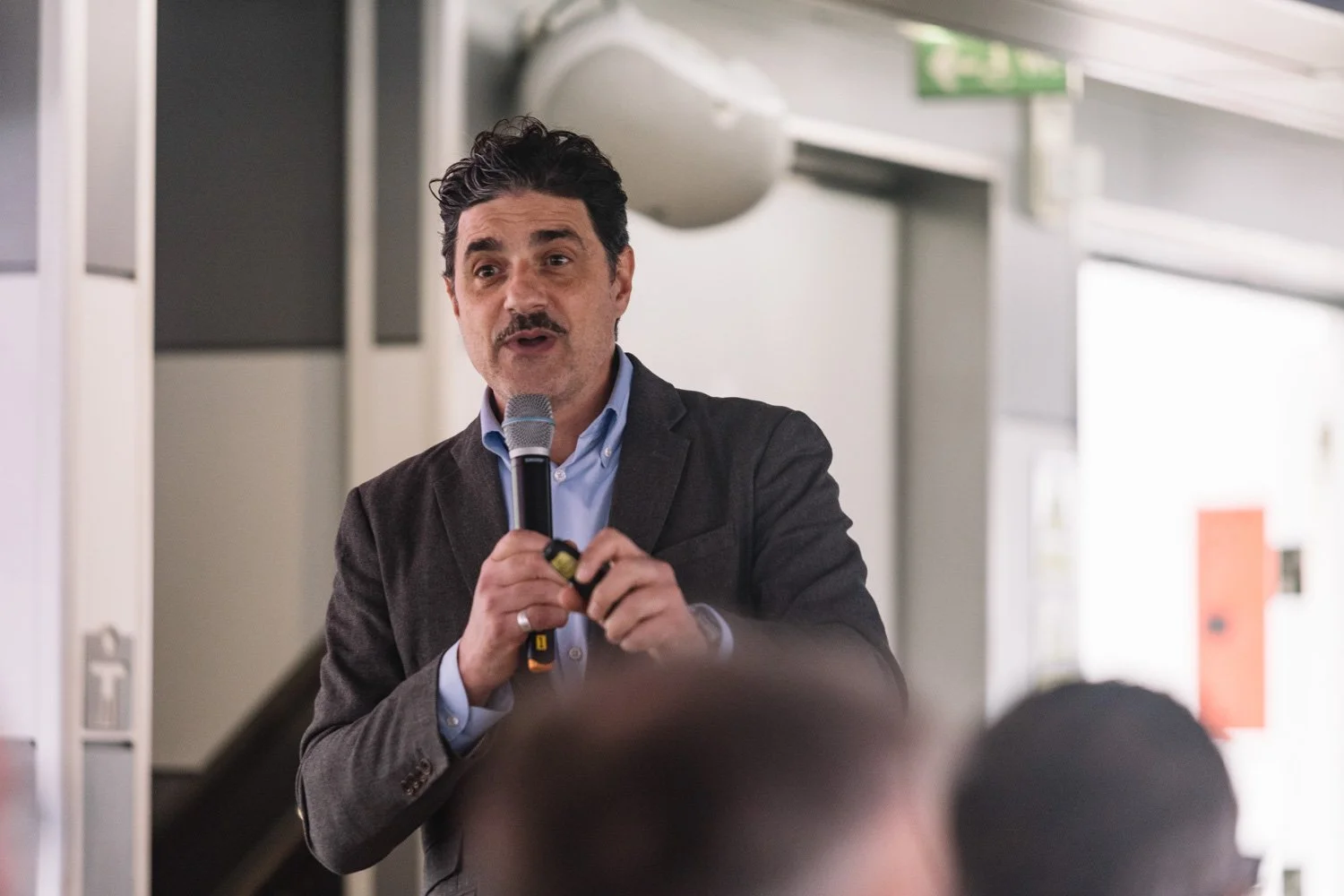
Keynote overview
How do assumptions, bias and hidden influences shape our decisions?
No matter how experienced or intelligent we are, we all rely on mental shortcuts to navigate an increasingly complex world. Most of the time they serve us well. Sometimes they leave us vulnerable to poor judgement, manipulation and costly mistakes. Drawing on behavioural psychology, real-world case studies and years spent exposing deception, Alexis reveals why good decisions go wrong and how organisations can improve critical thinking, risk awareness and decision-making.
Inside this keynote
Every organisation relies on people making good decisions. Whether recognising risk, evaluating information, managing customers or leading teams, human judgement remains at the heart of business success. Yet our decisions are influenced by unconscious assumptions, cognitive biases and hidden psychological shortcuts that we rarely notice. As misinformation, AI-generated content and sophisticated manipulation become part of everyday life, understanding how people think - and why mistakes happen - is becoming an essential organisational capability.
-

The question at the centre
Why do intelligent, capable people fall for scams, believe misinformation or make decisions they later regret? The answer has little to do with intelligence and everything to do with how the human brain processes information.
-

What Alexis reveals
Through compelling stories, behavioural psychology and memorable demonstrations, Alexis explores the biases, assumptions and mental shortcuts that influence everyday decisions.
-

How the insight applies
Rather than simply showing where judgement goes wrong, the keynote gives organisations practical insight to improve awareness, strengthen decision-making and reduce behavioural risk. The lessons apply to leadership, governance, cybersecurity, client relationships and everyday business decisions.
As seen on:
Audience outcomes
Audiences leave with a clearer understanding of what creates trust and confidence, and practical ideas they can apply in their professional lives.
✔
Recognise the hidden assumptions and cognitive biases that influence decision-making.
Understand why intelligence alone does not protect us from poor judgement.
✔
Improve critical thinking in high-pressure or uncertain situations.
✔
Better recognise the behavioural techniques behind manipulation, misinformation and scams.
✔
Leave with practical tools for making better-informed, more confident decisions.
✔
Best suited for
Leadership conferences
➔
Risk & Compliance events
➔
Cybersecurity conferences
➔
Financial Services
➔
Legal audiences
➔
Governance and executive forums
➔
Related industries
This keynote is particularly relevant for organisations where sound judgement, risk awareness and decision-making are central to performance such as:
Frequently asked questions
-
Yes. The keynote explores the human behaviours that underpin many organisational risks, making it particularly relevant for governance, compliance, cybersecurity and fraud awareness audiences.
-
No. Alexis uses real-world examples from scams and consumer behaviour, but the keynote is fundamentally about human judgement, decision-making and behavioural psychology.
-
Absolutely. Alexis tailors each presentation with examples and case studies relevant to the audience, industry and objectives of the event.
-
Yes. The keynote challenges assumptions and provides practical insights for leaders making decisions in complex, high-pressure environments.
-
Depending on the format, Alexis can incorporate demonstrations, audience participation and Q&A to create a highly engaging experience.
Book now
Looking for a keynote that helps audiences make better decisions, recognise hidden influences and improve judgement? Get in touch with Alexis’ speaking agent Michael Levey at Speaking Office to discuss how this keynote can be tailored to your audience.